
From the Classroom
When Fourth Graders Discover Stories Stitched in Cloth
It's Day 3 of Patchwork Traditions, and today's African American heritage reading hits differently. After three weeks experiencing Reconstruction's political complexity, students discover how quilting traditions preserved identity and memory when political protection failed. Through strategic material trading and authentic Housetop quilt patterns, fourth graders understand cultural preservation as resistance, resilience, and community strength.
When Fourth Graders Discover Economics Isn't Neutral
"But if sharecroppers are trapped in debt, why don't they just quit and get a different job?" Marcus's question revealed a critical gap in understanding. The briefing explained sharecropping created debt, but fourth graders didn't grasp why debt bondage made leaving impossible—until we explored economic systems that look fair on paper but trap people in poverty.
When Fourth Graders Face the Ku Klux Klan (and Discover Why Protecting Rights Is So Hard)
"We need guards at every school!"
"But that will make people even angrier!"
"People are ALREADY being hurt! What's worse—making them angry or letting violence continue?"
It's Thursday morning, Day 8 of our Reconstruction simulation, and my fourth graders are debating how Florida should respond to Ku Klux Klan violence. They've spent two days processing the 1871 Legislative Briefing about attacks on Black voters, Republican leaders, schools, and churches.
Now, as Florida government officials, they have to decide what to do about it.
This is the moment when simulation learning reveals its true power—not because it's fun or engaging (though it is), but because it forces students to wrestle with the same impossible dilemmas real leaders faced.
Why the Element of Surprise Matters in Simulations (and Why Teachers Shouldn't Spoil Future Events)
"Mrs. Zema, I can't believe Drake actually attacked! We thought maybe he'd just be a threat, but then he really came!"
This excited exclamation came from Emma after our St. Augustine simulation's most dramatic turn. My fourth graders had spent a week reading newspaper warnings about Sir Francis Drake raiding Spanish cities in the Caribbean, debating whether to prepare defenses or focus on other colony needs—and then the event card revealed the attack was happening RIGHT NOW.
The surprise transformed their decision-making from abstract planning into urgent response. They weren't just playing a game—they were experiencing what colonial leaders felt when threats became reality.
But here's what I almost did wrong: I almost told them Drake was coming.

When Fourth Graders Become Florida's First Peoples (And Discover What "Thanksgiving" Really Meant)
Day 3 of our First Peoples simulation: My students face a summer drought while managing tribal resources. Watch how fourth graders learn the real meaning of gratitude when survival depends on strategic planning, adaptation, and careful decision-making in pre-contact Florida.

How to Pause a Simulation Without Losing Momentum (When Reality Interrupts Your History Class)
Testing interrupts your Civil War unit. Constitution Day arrives mid-simulation. A Thanksgiving unit needs attention. Here's the framework that keeps students engaged when you have to pause a simulation—and how to make the interruption actually enhance learning instead of destroying it.

When Fourth Graders Debate Florida's Right to Vote
"The Speaker of the House recognizes Representative Jayden." The nine-year-old stands, clutching his handwritten bill. "My bill says that U.S. soldiers must guard every polling place in Florida during elections." The room erupts. This is Day 4 of our Reconstruction simulation, where 22 fourth graders are discovering that winning a war is actually easier than building a just government afterward.

How to Help Fourth Graders Write Laws That Matter
"Mrs. Zema, I don't know what to write." Marcus stares at a blank page, wanting to help freedmen vote but not knowing how to write that like a real law. Last year, students would have produced vague statements like "Be nice to everyone." This year, using a four-part bill-writing scaffold that includes enforcement mechanisms, Marcus will present a detailed law about punishing voter intimidation—sophisticated enough to generate genuine legislative debate.

How to Keep Students Engaged When There's Heavy Reading Before the Action Starts
Students disengage during setup when they don't understand WHY they're reading. Here's how giving students roles first transforms heavy reading into essential preparation.

Detectives and Ghost Stories—When Fourth Graders Investigate the Lady in White
Halloween week brought the Vinoy Hotel Mystery. Fourth graders became 1920s detectives analyzing evidence, questioning witnesses, and building theories about Florida's Lady in White.

The Power of Themed Learning—Why Seasonal Content Works When Students Are Distracted
Themed learning doesn't compete with holiday excitement—it harnesses it. Learn why choosing seasonally appropriate content makes engagement easier, not harder.

When Fourth Graders Command the End of the Civil War
Days 10-11 brought the Battle of Natural Bridge, a civilian primary source, and the end of the Confederacy. Fourth graders learned what it means when continued fighting serves no purpose.

When History Doesn't Match the Simulation
What happens when students' dice rolls create different outcomes than history? These moments teach more about contingency and causation than any lecture could.

The Battle of Olustee: When Fourth Graders Command Florida's Largest Civil War Battle
Fourth graders command Florida's largest Civil War battle with full understanding of strategic constraints, supply limitations, and military necessity.

Reading Primary Sources After Major Turning Points: How Context Changes Student Understanding
Discover how major turning points in simulations create the perfect context for primary source analysis—making historical documents meaningful instead of abstract.

When the Blockade Bites: Our Civil War Simulation Faces Resource Reality
"We can't afford supplies for the battle AND pay for the penalty? Something has to give!" Our fourth graders discover how the Union blockade won the Civil War.

How to Help Students Role-Play Characters They Disagree With
"How can we pretend to be these people when we know slavery was wrong?" Practical strategies for helping students engage with difficult historical perspectives.
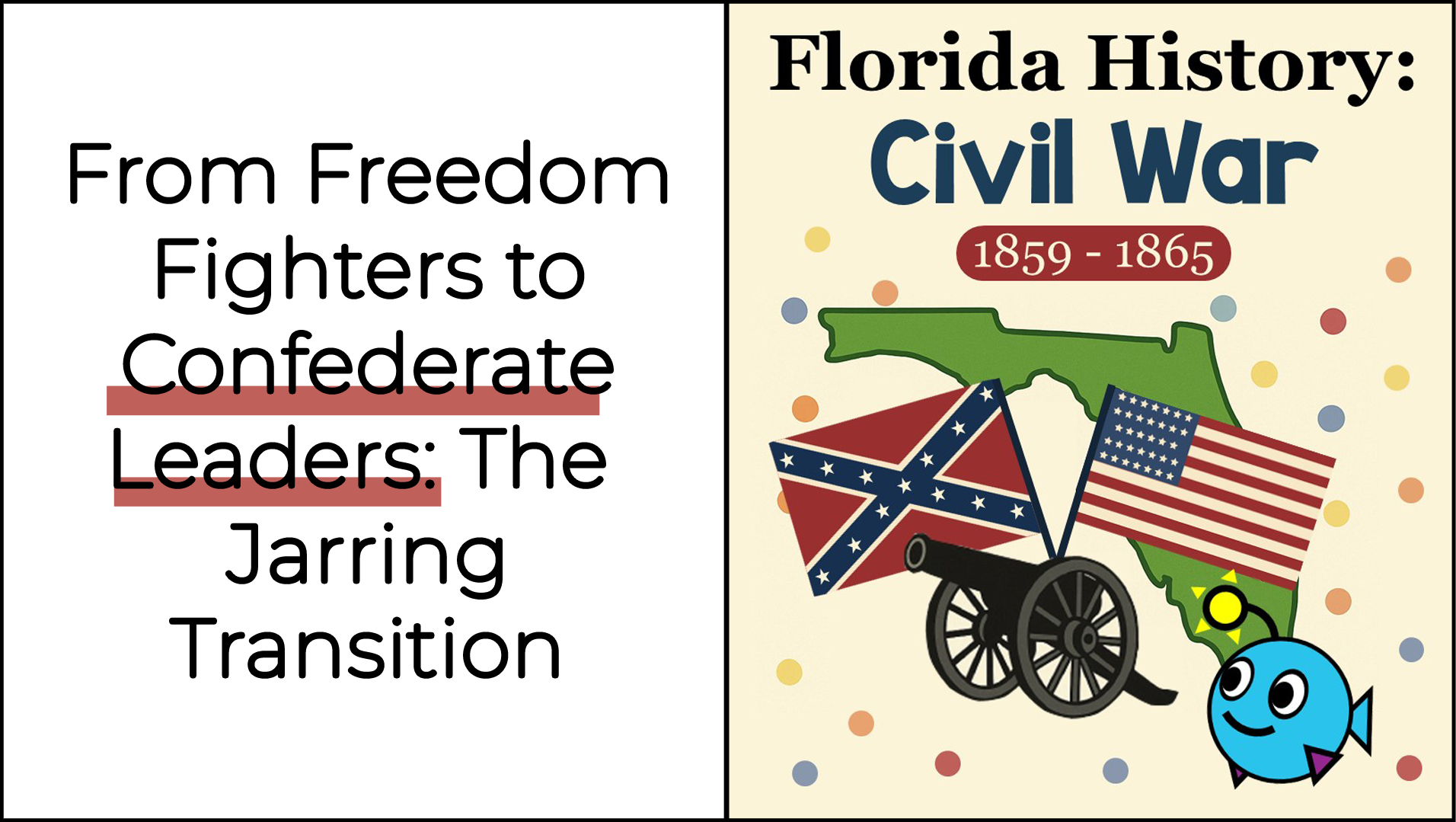
From Frontier Freedom Fighters to Confederate Leaders: The Jarring Transition My Students Never Saw Coming
When my students transitioned from defending Seminole villages in our Frontier Struggles unit to playing Confederate roles in the Civil War simulation, their questions were blunt and uncomfortable: “Wait, we’re the bad guys now?” This jarring shift challenged them to grapple with historical complexity, moral ambiguity, and the skills of analyzing perspectives without applying contemporary judgments.
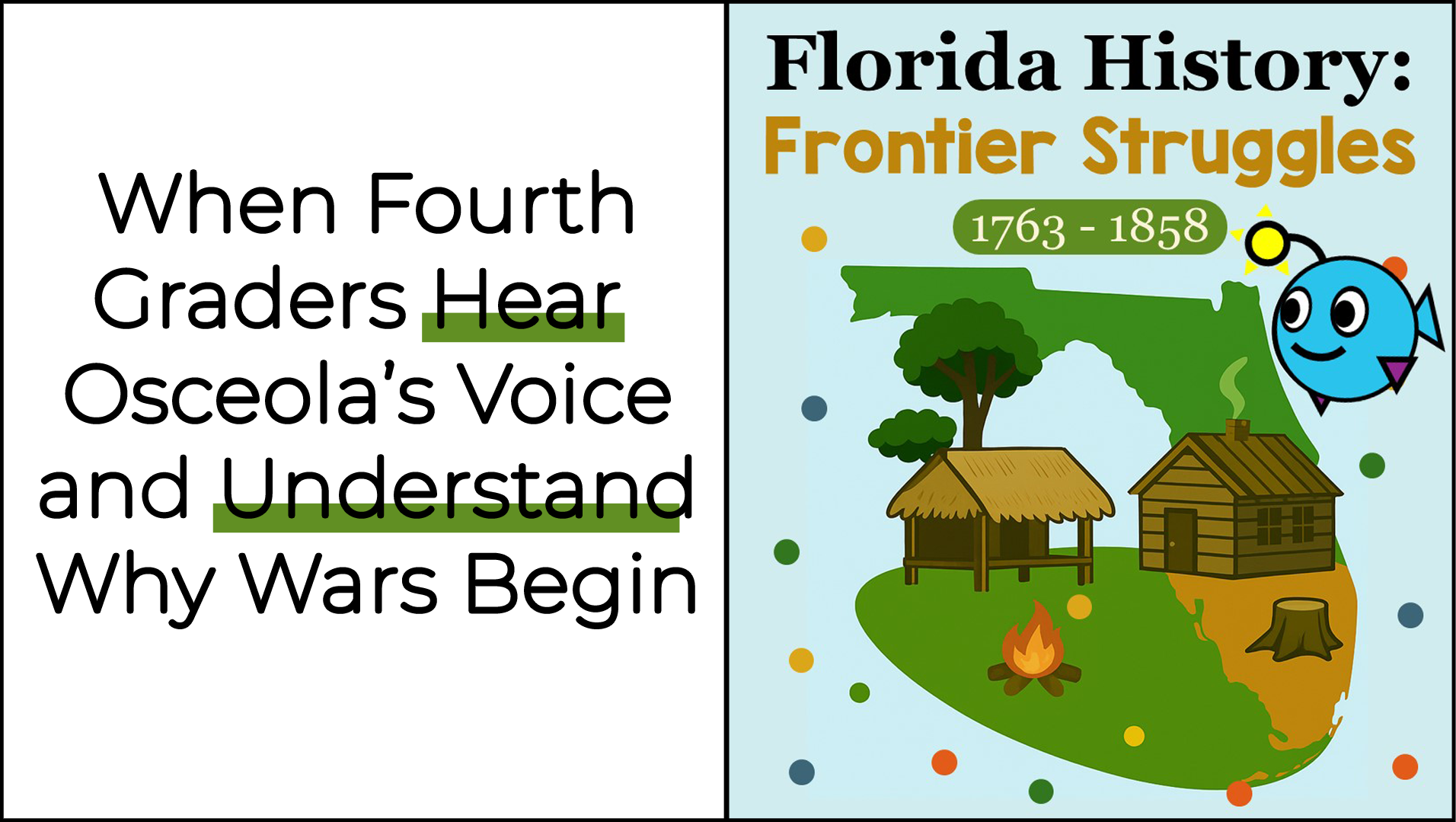
When Fourth Graders Hear Osceola's Voice and Understand Why Wars Begin
When my fourth graders heard Osceola’s words after living through the Second Seminole War in our classroom simulation, the silence was profound. They weren’t just memorizing facts—they were grappling with why wars begin, how policies create conflict, and what it means to understand multiple perspectives.
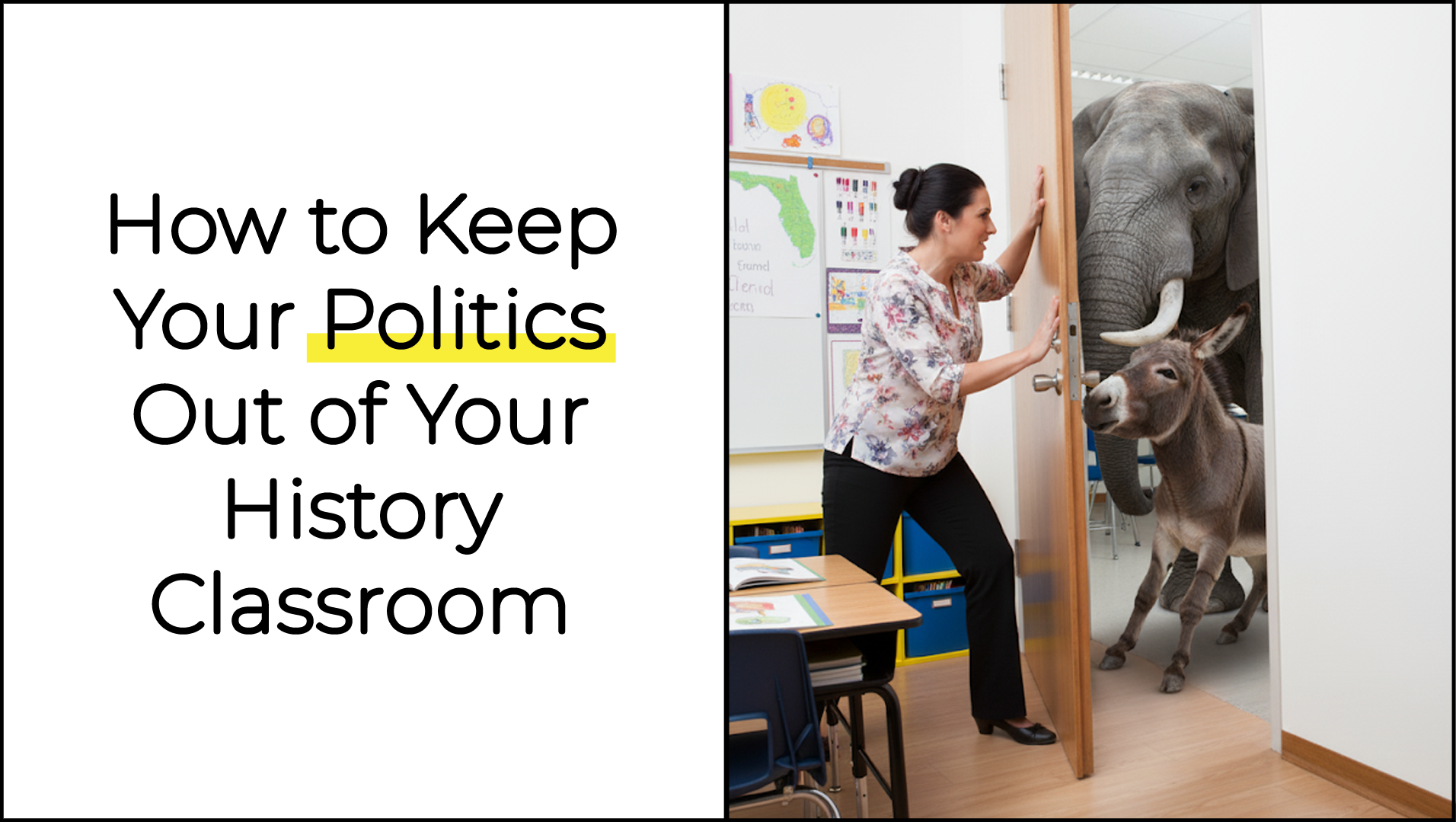
How to Keep Your Politics Out of Your History Classroom (Even When Teaching About Injustice)
Teaching history often means facing tough student questions about right and wrong. How do you guide them toward critical thinking without turning your classroom into a political battlefield? Here’s how to stay neutral—even when teaching about injustice.