
From the Classroom
When Fourth Graders Face the Ku Klux Klan (and Discover Why Protecting Rights Is So Hard)
"We need guards at every school!"
"But that will make people even angrier!"
"People are ALREADY being hurt! What's worse—making them angry or letting violence continue?"
It's Thursday morning, Day 8 of our Reconstruction simulation, and my fourth graders are debating how Florida should respond to Ku Klux Klan violence. They've spent two days processing the 1871 Legislative Briefing about attacks on Black voters, Republican leaders, schools, and churches.
Now, as Florida government officials, they have to decide what to do about it.
This is the moment when simulation learning reveals its true power—not because it's fun or engaging (though it is), but because it forces students to wrestle with the same impossible dilemmas real leaders faced.

How to Pause a Simulation Without Losing Momentum (When Reality Interrupts Your History Class)
Testing interrupts your Civil War unit. Constitution Day arrives mid-simulation. A Thanksgiving unit needs attention. Here's the framework that keeps students engaged when you have to pause a simulation—and how to make the interruption actually enhance learning instead of destroying it.

When History Doesn't Match the Simulation
What happens when students' dice rolls create different outcomes than history? These moments teach more about contingency and causation than any lecture could.

The Battle of Olustee: When Fourth Graders Command Florida's Largest Civil War Battle
Fourth graders command Florida's largest Civil War battle with full understanding of strategic constraints, supply limitations, and military necessity.

Reading Primary Sources After Major Turning Points: How Context Changes Student Understanding
Discover how major turning points in simulations create the perfect context for primary source analysis—making historical documents meaningful instead of abstract.

When the Blockade Bites: Our Civil War Simulation Faces Resource Reality
"We can't afford supplies for the battle AND pay for the penalty? Something has to give!" Our fourth graders discover how the Union blockade won the Civil War.
From Frontier Freedom Fighters to Confederate Leaders: The Jarring Transition My Students Never Saw Coming
When my students transitioned from defending Seminole villages in our Frontier Struggles unit to playing Confederate roles in the Civil War simulation, their questions were blunt and uncomfortable: “Wait, we’re the bad guys now?” This jarring shift challenged them to grapple with historical complexity, moral ambiguity, and the skills of analyzing perspectives without applying contemporary judgments.
Why the Last Day of Your Simulation Matters Most (And How Not to Waste It)
The last day of a historical simulation is more than just a wrap-up—it’s the moment where learning truly sinks in. If you rush, your students miss the chance to process emotions, connect experiences to historical understanding, and transfer insights beyond the classroom. Here’s how to make your simulation endings count.
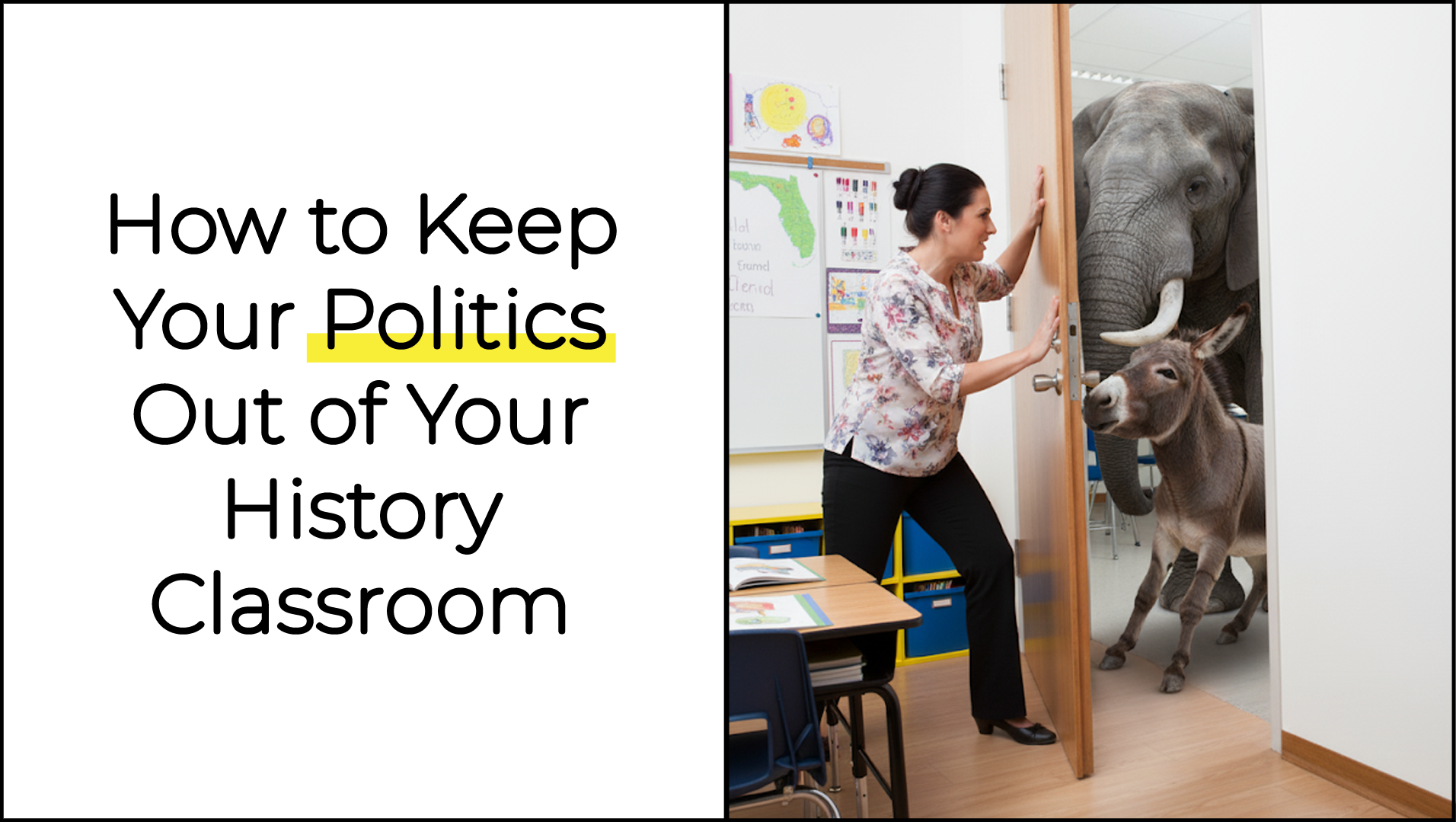
How to Keep Your Politics Out of Your History Classroom (Even When Teaching About Injustice)
Teaching history often means facing tough student questions about right and wrong. How do you guide them toward critical thinking without turning your classroom into a political battlefield? Here’s how to stay neutral—even when teaching about injustice.
From Overwhelmed to Blown Away: Your First Time Teaching Historical Simulations
"At first I was overwhelmed with the game, but after following the step by step directions I was blown away by the effectiveness of it." This honest review from teacher Alia captures what many educators feel when they first consider historical simulations. If you've ever looked at a roleplay unit and thought "This looks amazing, but how do I even start?" you're not alone. That overwhelm is completely normal—and temporary.
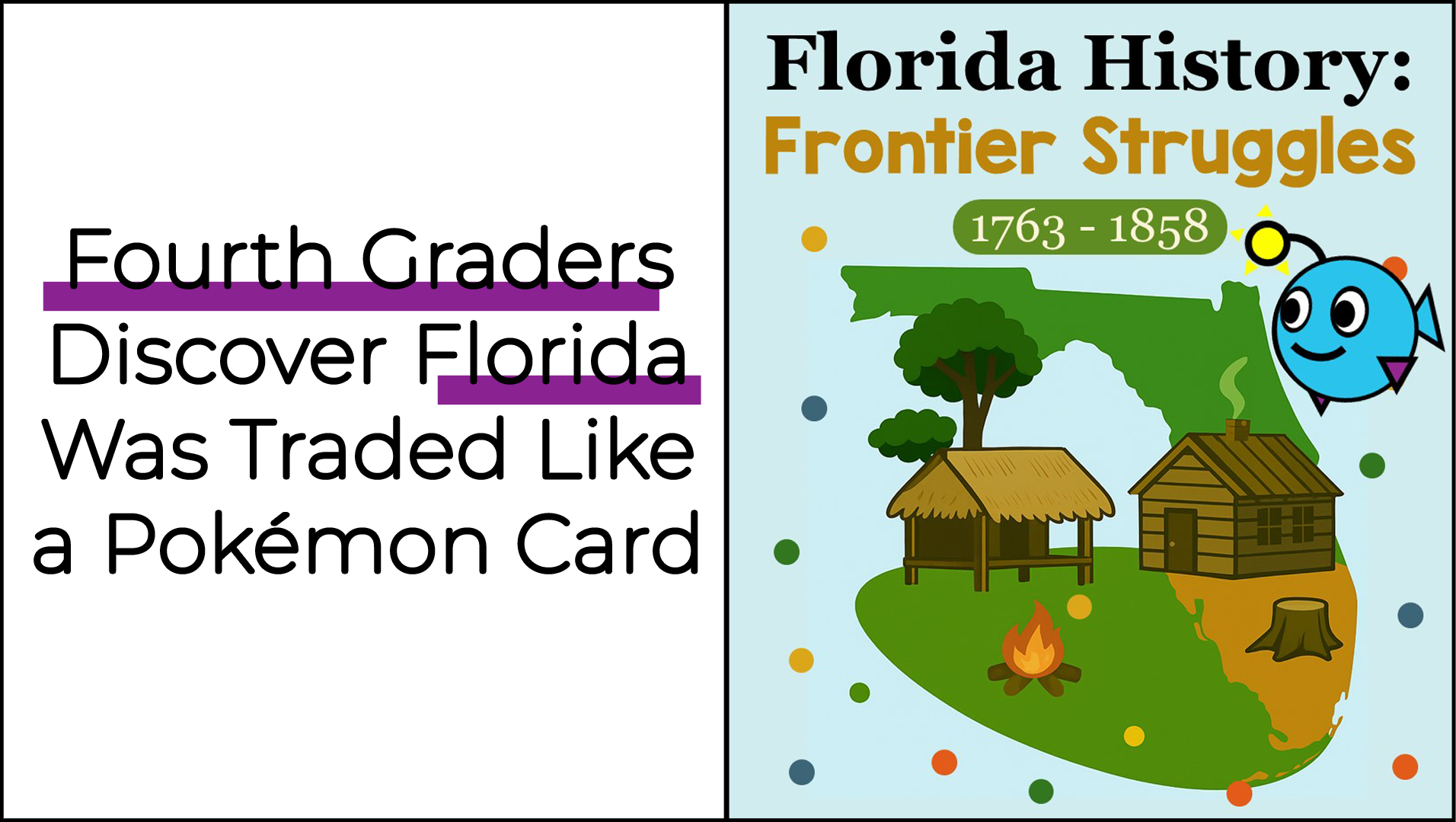
When Fourth Graders Discover Florida Was Traded Like a Pokémon Card
"Wait, WHAT? They just... gave away Florida? Like, the whole thing?" This incredulous question came from Jordan as we examined Treaty of Paris documents. My students had just started the Frontier Struggles simulation, competing for Florida territory. Now they were discovering that while they focused on homesteads and land claims, entire nations had been casually trading Florida back and forth.
When Gaming Your History Simulations Isn't Actually Gaming
"Mrs. Zema, I figured out the pattern! You always make the morale go up when we help people, so let's just always pick the helping choices." This confident declaration came from Alex during our St. Augustine simulation. He was convinced he'd cracked the code for guaranteed success. He was about to learn that historical leadership is far more complicated than finding the right cheat code.
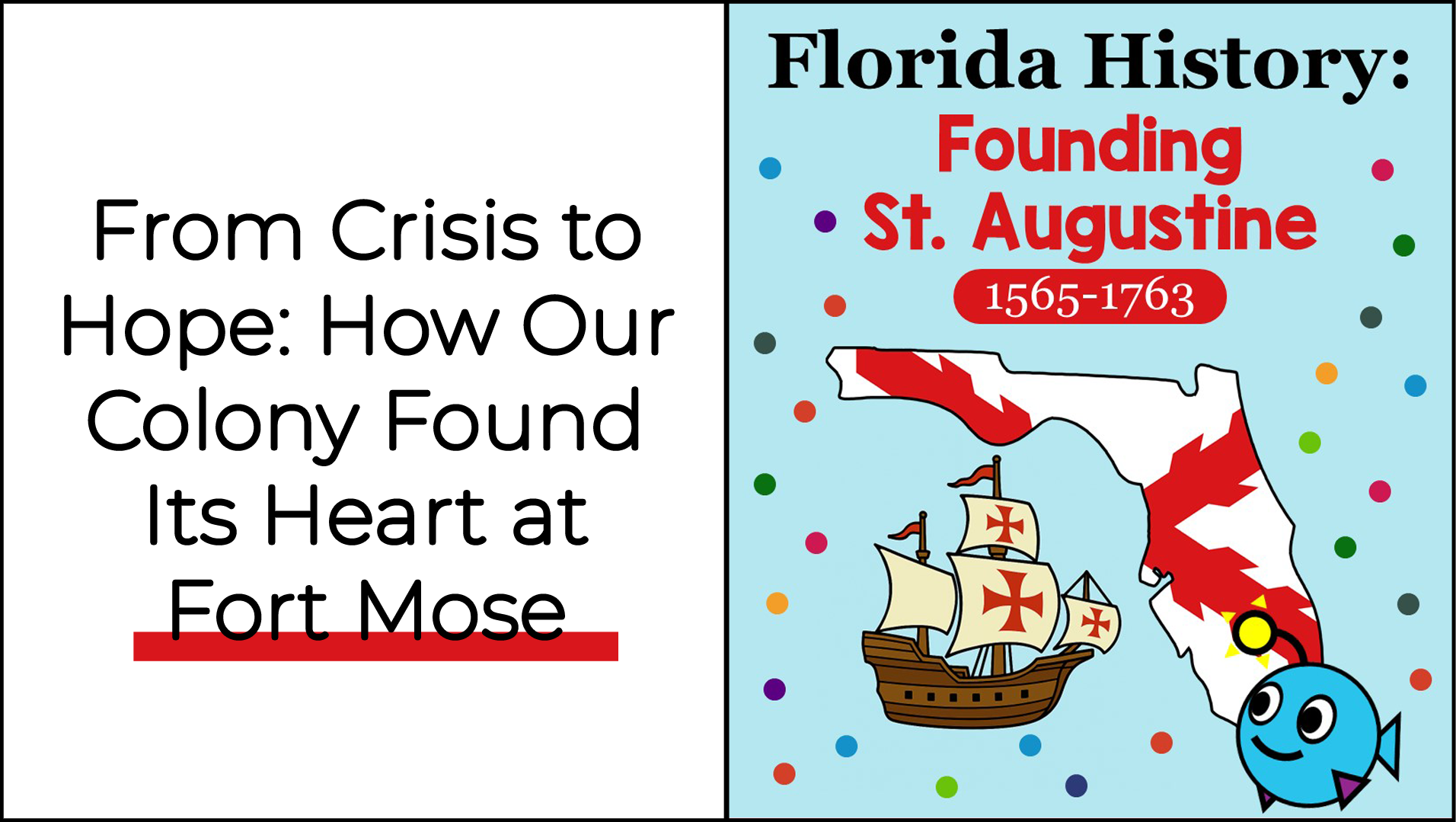
From Crisis to Hope: How Our Colony Found Its Heart at Fort Mose
"Mrs. Zema, this feels like the most important decision we've made yet." After surviving Drake's attack and Timucua tensions, my fourth graders faced a choice that would define their St. Augustine colony's character. When escaped slaves arrived seeking freedom, the students had to decide: What kind of community did they want to build?
From Excited Beginnings to Survival Mode: Our First Week as Spanish Colonists
"Mrs. Zema, are we going to die?" This question came from Riley after five days of our Founding St. Augustine simulation. What started with excitement about "getting to be Spanish leaders" had transformed into genuine concern for their colony's survival. Here's how my fourth graders learned that good intentions aren't enough when facing real historical challenges.
Welcome to 1565 - Founding St. Augustine Begins
"Buenos días, Spanish leaders! Welcome to the year 1565." Twenty-two fourth graders looked around our classroom with curiosity as we began our journey into America's oldest city. Today marked the official start of our Founding St. Augustine simulation—and the mixed reactions were priceless.
Florida History Gets an Upgrade
Three years ago, I was drowning in Studies Weekly newspapers. You know the ones—those thin, social studies "newspapers" that somehow managed to make Florida's incredible history feel as exciting as reading a phone book. There had to be a better way, and I found it.